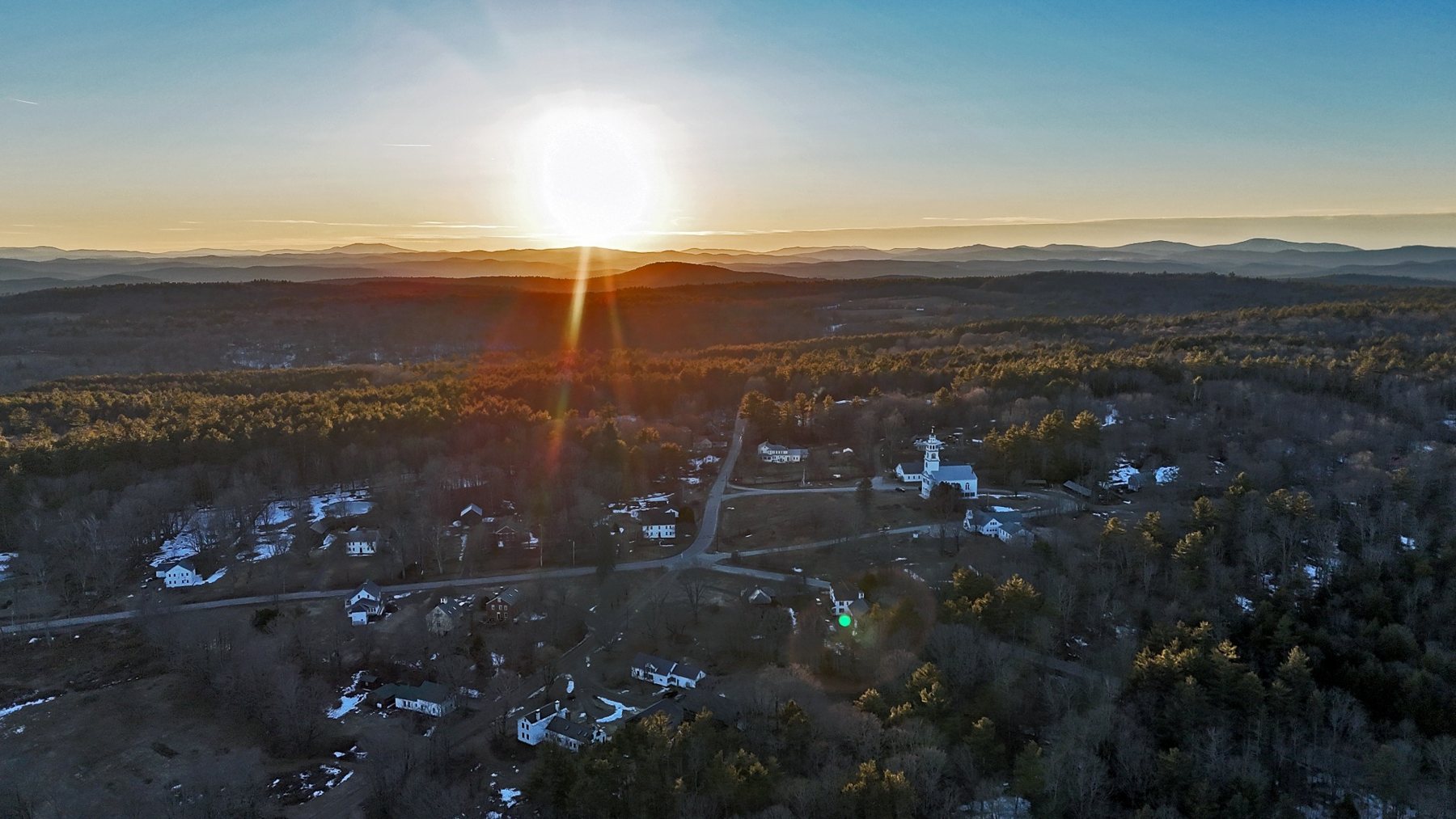
Acworth New Hampshire aerial town portrait

501(c)(3) Fiscal Sponsorship Through Arts Alive

Monadnock Aerial History Project

A fiscally sponsored public-history and visual preservation project documenting New Hampshire town centers through low-altitude aerial imaging, ground photography, archival storytelling, and public presentation.

Project Purpose

Public History From Above

The Monadnock Aerial History Project began as a Monadnock-region preservation concept and now documents New Hampshire town centers, with a focus on the Monadnock region and surrounding historic communities.

Each deep-dive project can combine aerial footage, still photography, ground-level details, local history, public presentations, and a digital record that helps a community preserve how it looked and felt at a specific moment in time.

Fiscal Sponsorship

Fiscally Sponsored by Arts Alive, Inc.

The Monadnock Aerial History Project is fiscally sponsored by Arts Alive, Inc. Through this relationship, Arts Alive can receive grants, donations, and other funds designated for the benefit of the project under its IRS §501(c)(3) determination.

Donations and project support for this preservation work will be coordinated through Arts Alive once the dedicated contribution pathway is finalized.

Active & Featured Work

Project Archive

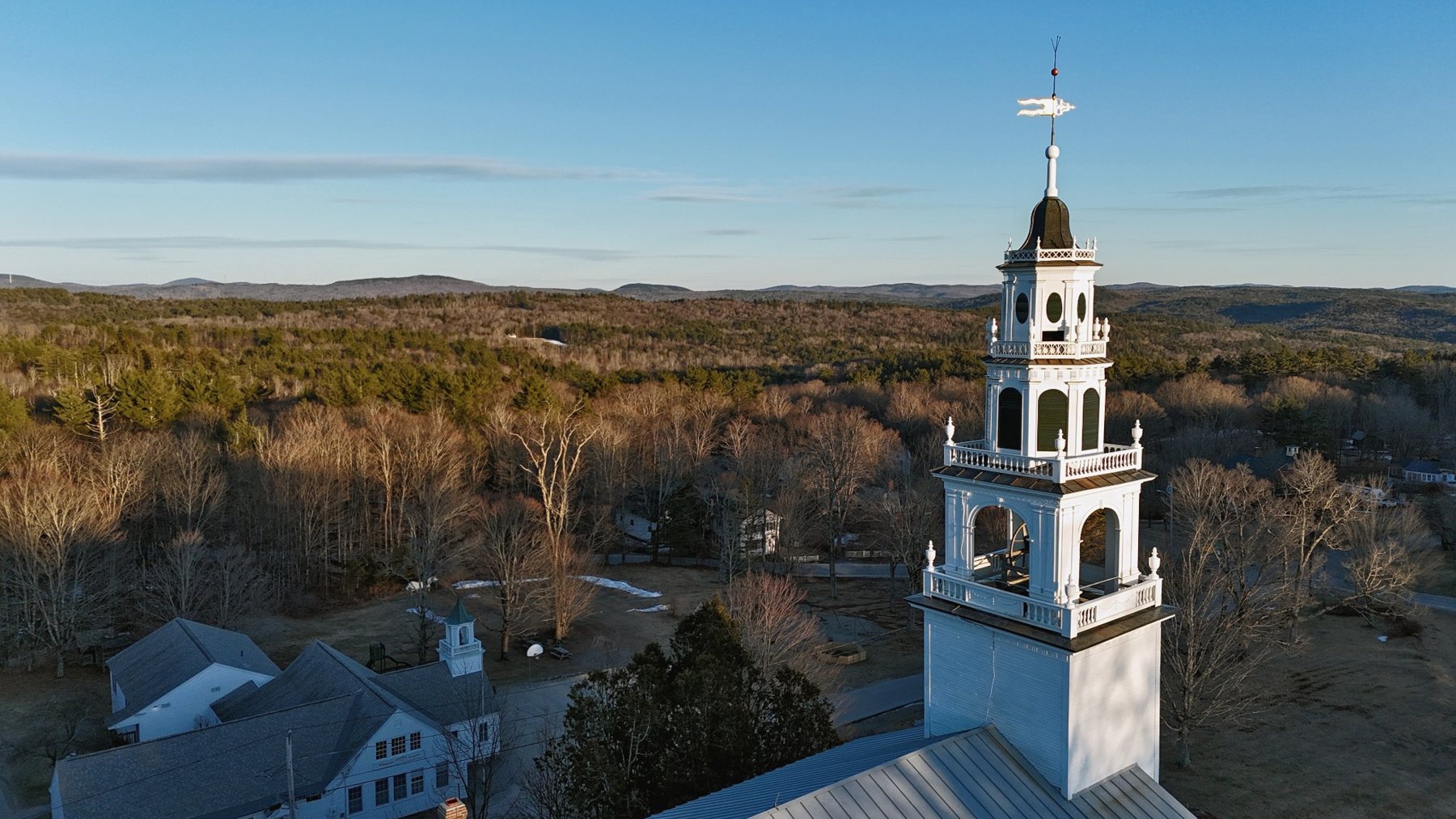
Acworth New Hampshire church steeple from above

Active 2026 Pilot Archive

Acworth, New Hampshire

Acworth became the first active pilot after strong local interest in the aerial and ground-based documentation created there in March. Although outside the core Monadnock region, it fits the project’s broader preservation mission around historic New Hampshire communities.

View Acworth Project
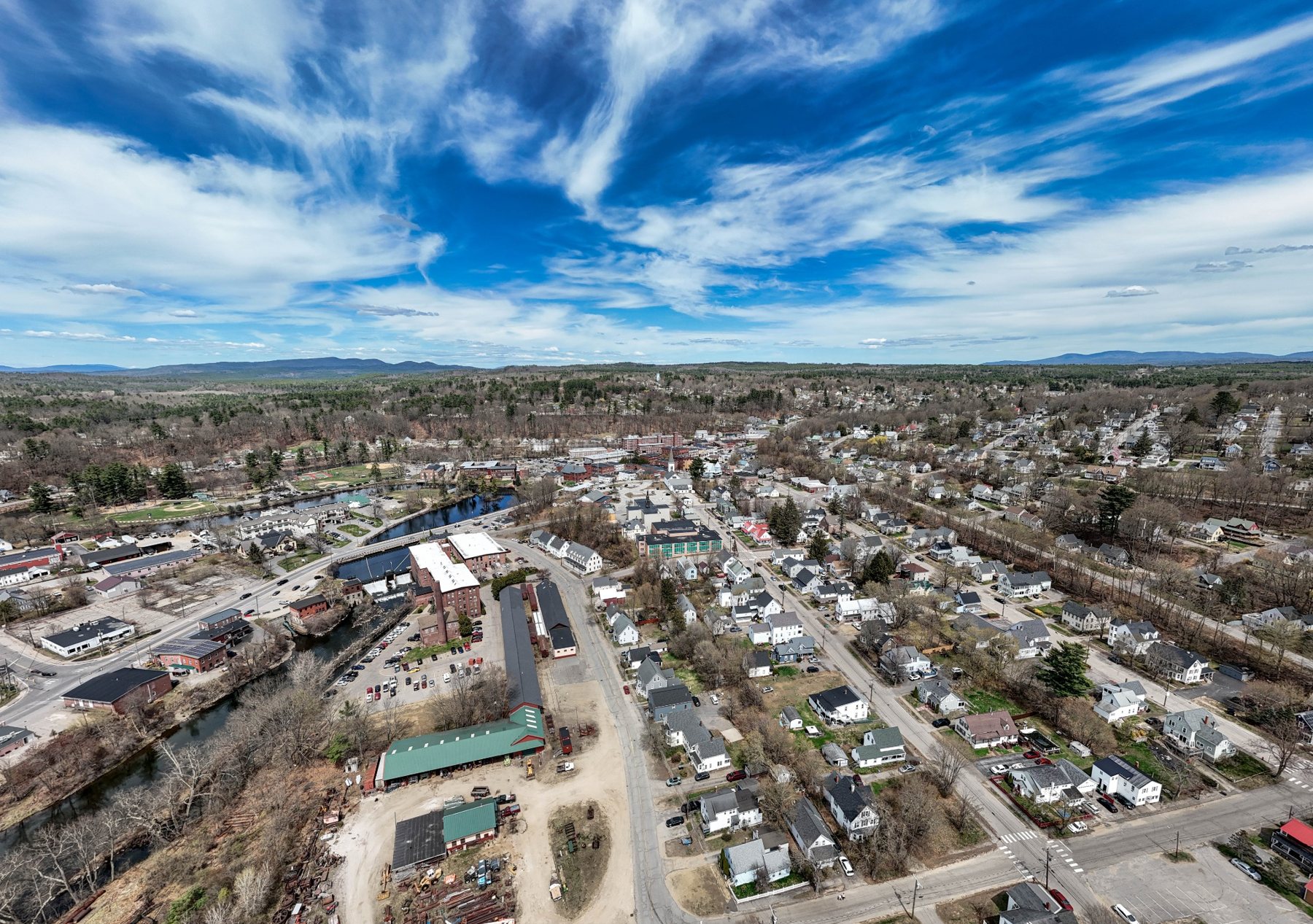
Franklin New Hampshire mill city aerial portrait

Proof of Concept

Franklin, New Hampshire

A visual-history proof of concept centered on mill-city geometry, river corridors, civic architecture, and industrial memory.

View Franklin Study

Support & Partnerships

Built for Local Memory

This project is meant to serve towns, historical societies, cultural commissions, libraries, residents, and future researchers. The work is not only scenic; it is documentary.